Recently, I had the privilege of getting checked out in a different aircraft, namely the Cirrus G20. This is not your grandfather’s Cessna, but rather a completely different machine. In the first place, it is a composite airplane, made of fiberglass-like materials as opposed to aluminum. Secondly, this one is equipped with a “glass” avionics panel, meaning the instrumentation is presented on display screens as opposed to individual “gauges.” Take a look at the panel during my recent flight.
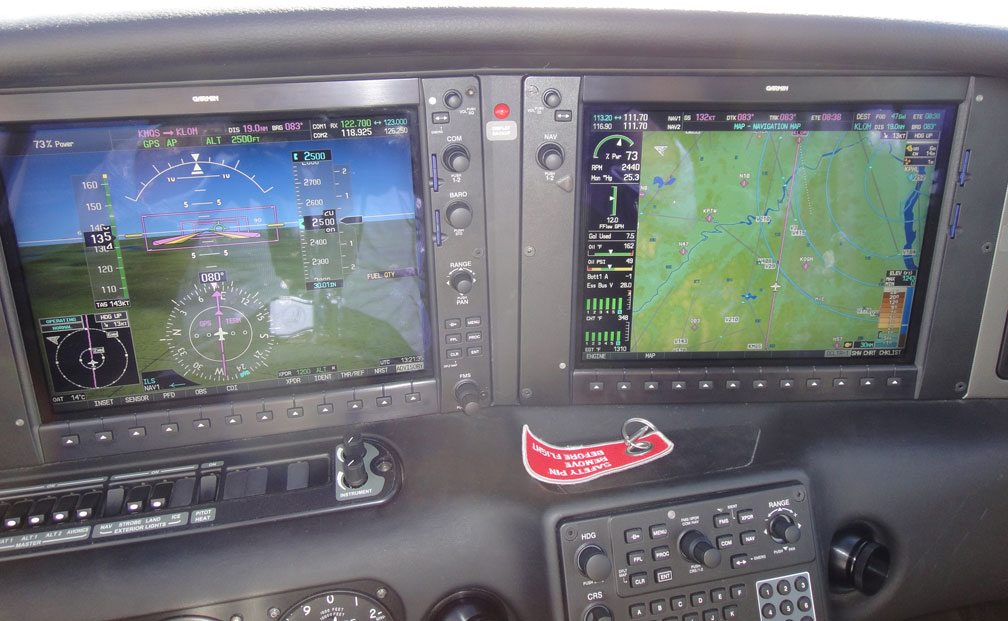
There’s plenty of eye candy there. The panel on the left is the primary flight display and gives the pilot all the essentials such as airspeed, altitude, heading, and so forth. On the right, is the multi-function display, through which can be accessed engine operational info, a moving map, and much, much more. It takes some practice to make the most of these panels, but once you are familiar, they prove invaluable in terms of situational awareness, ease of navigation, and generally enhance the flying experience. So, let’s take a look out the window.
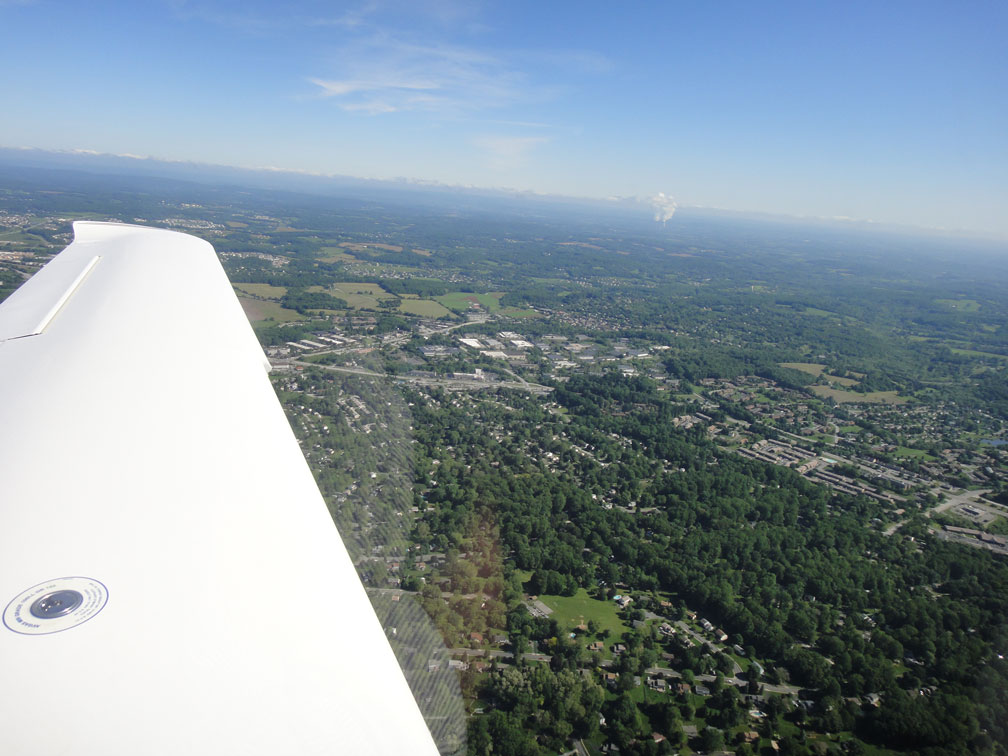
You can see this is a low-wing aircraft. Beyond the leading edge, looking generally north, are the rolling green hills of Pennsylvania, which are quite nice to fly over during much of the year, especially in autumn. Naturally, I’m looking forward to continued improvement in my flying skills and stretching out my cross-country trips to new and farther destinations. The Cirrus makes that a more comfortable and enjoyable proposition.

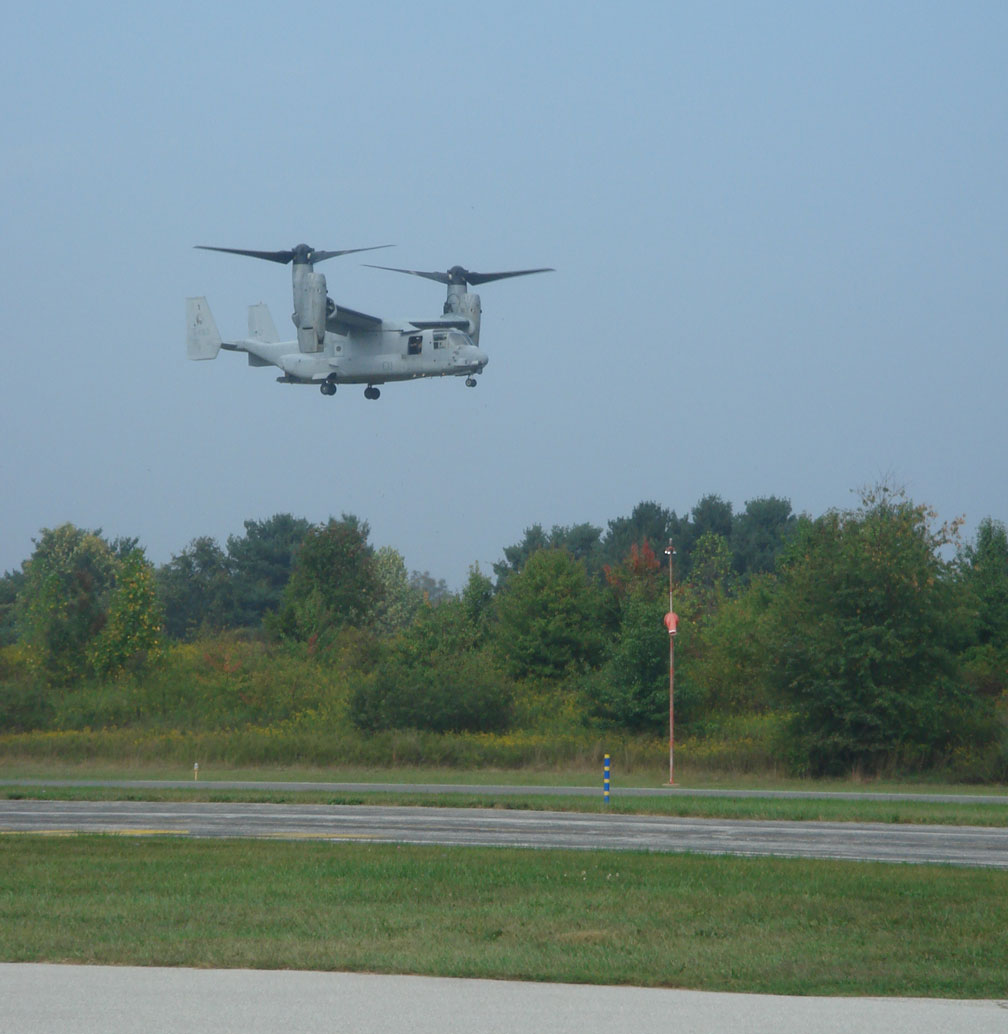




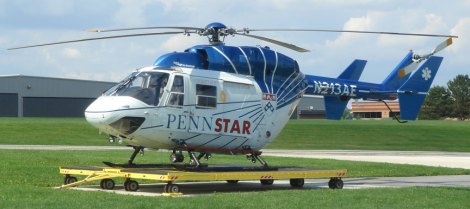 This is one operated by PENNSTAR, affiliated with the University of Pennsylvania Hospital. I’ve seen these helicopters in action. It’s impressive. The pilot’s fly in all kinds of weather and have to land at the sites of car wrecks, train derailments, even other plane crashes. This is difficult duty to say the least. Then there is the pressure of flying with someone’s life in danger, which adds more pressure to an already stressful task.
 The Bent Page
You must be logged in to post a comment.