Cathedral of Sanitago de Compostela, Spain

The Road to Santiago is a pilgrimage made famous in the middle ages, and it continues to this day. You’ll see pilgrims and tourists walking, riding bicycles, or driving the route from one beginning or another. They all end at the Cathedral of Sanitago de Compostela.
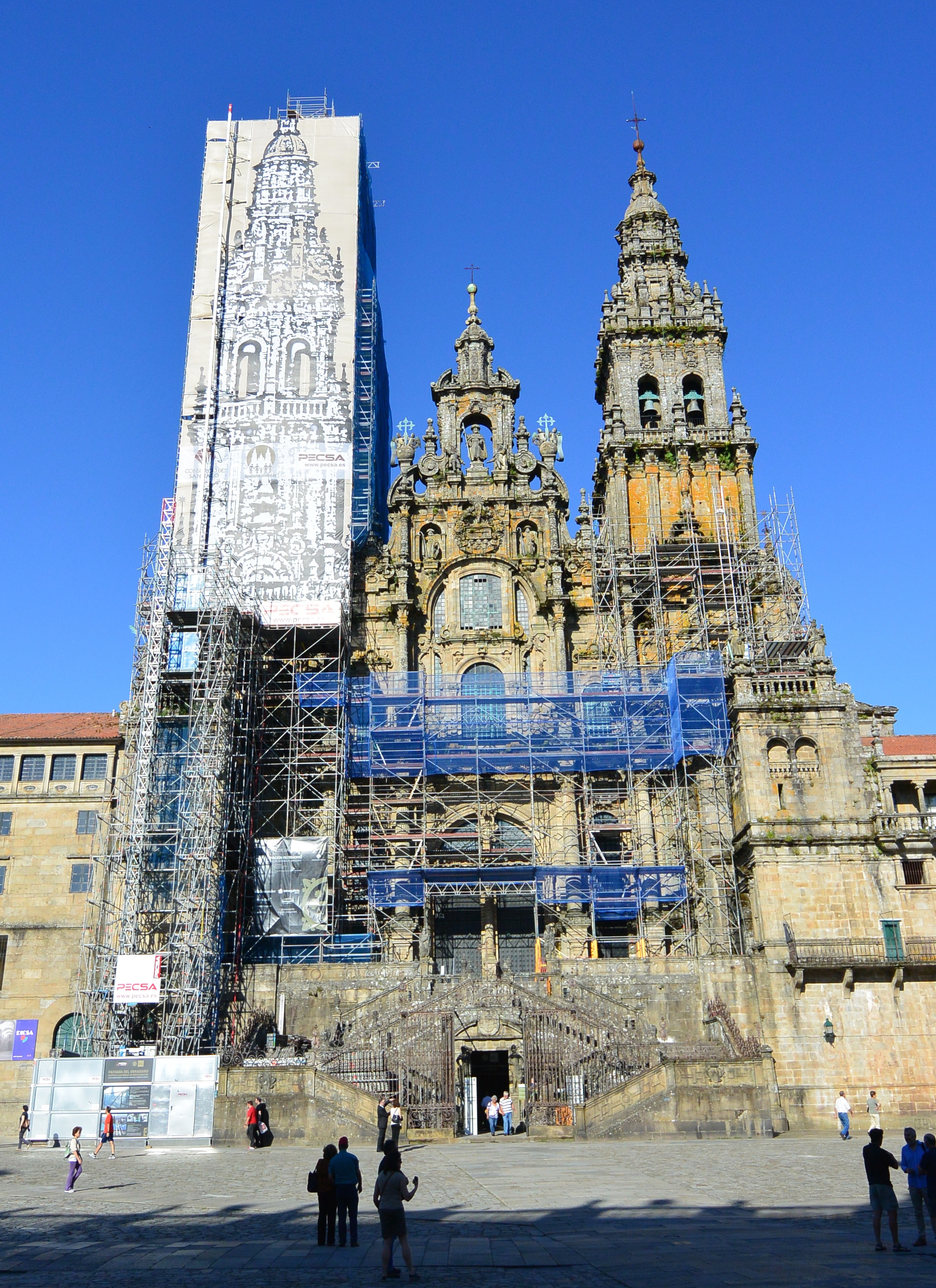
Cathedral of Santiago de Compostela, June 2014.

Cathedral of Santiago de Compostela, June 2014.

During my visit, there was considerable restoration work going on including what you see above on the facade. However, this did not detract from the experience. Inside, you’ll find magnificent sights including the many chapels such as this one:

Chapel within the Cathedral of Santiago de Compostela, Spain.

Chapel within the Cathedral of Santiago de Compostela, Spain.

As well as this one to show just a couple examples:

Chapel in Cathedral of Santiago de Compostela, Spain.

Chapel in Cathedral of Santiago de Compostela, Spain.

In these chapels you often find services held in individual languages. Remember this is a destination for people from all over the world. You can also pass by the many reliquaries.
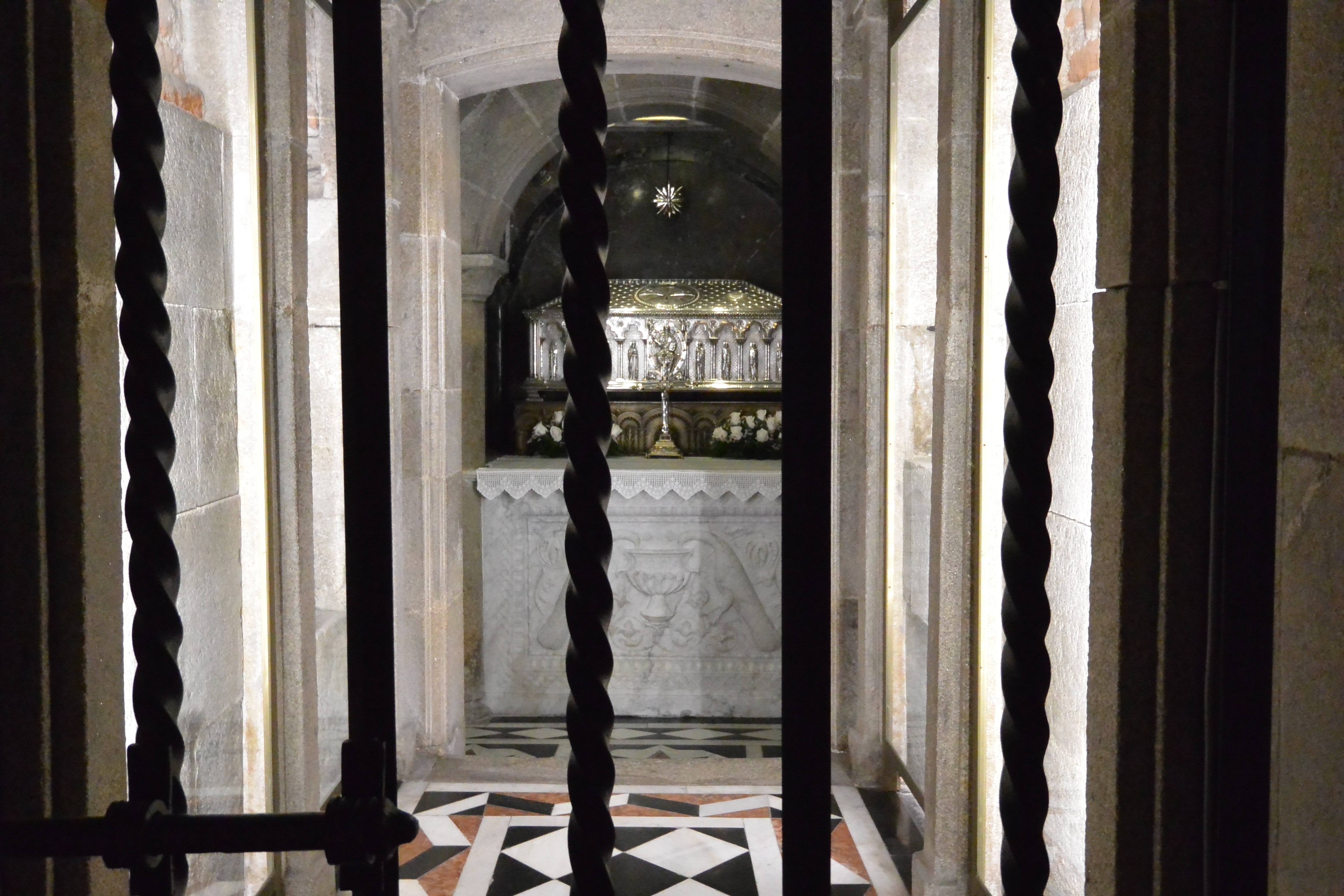
Reliquary at Cathedral of Santiago de Compostela, Spain.

Reliquary at Cathedral of Santiago de Compostela, Spain.

And I highly recommend staying for mass and watching the swinging of the botafumiero, which is something you won’t see in many cathedrals.

The botafumiero at the Cathedral of Santiago de Compostela, Spain.

The botafumiero at the Cathedral of Santiago de Compostela, Spain.

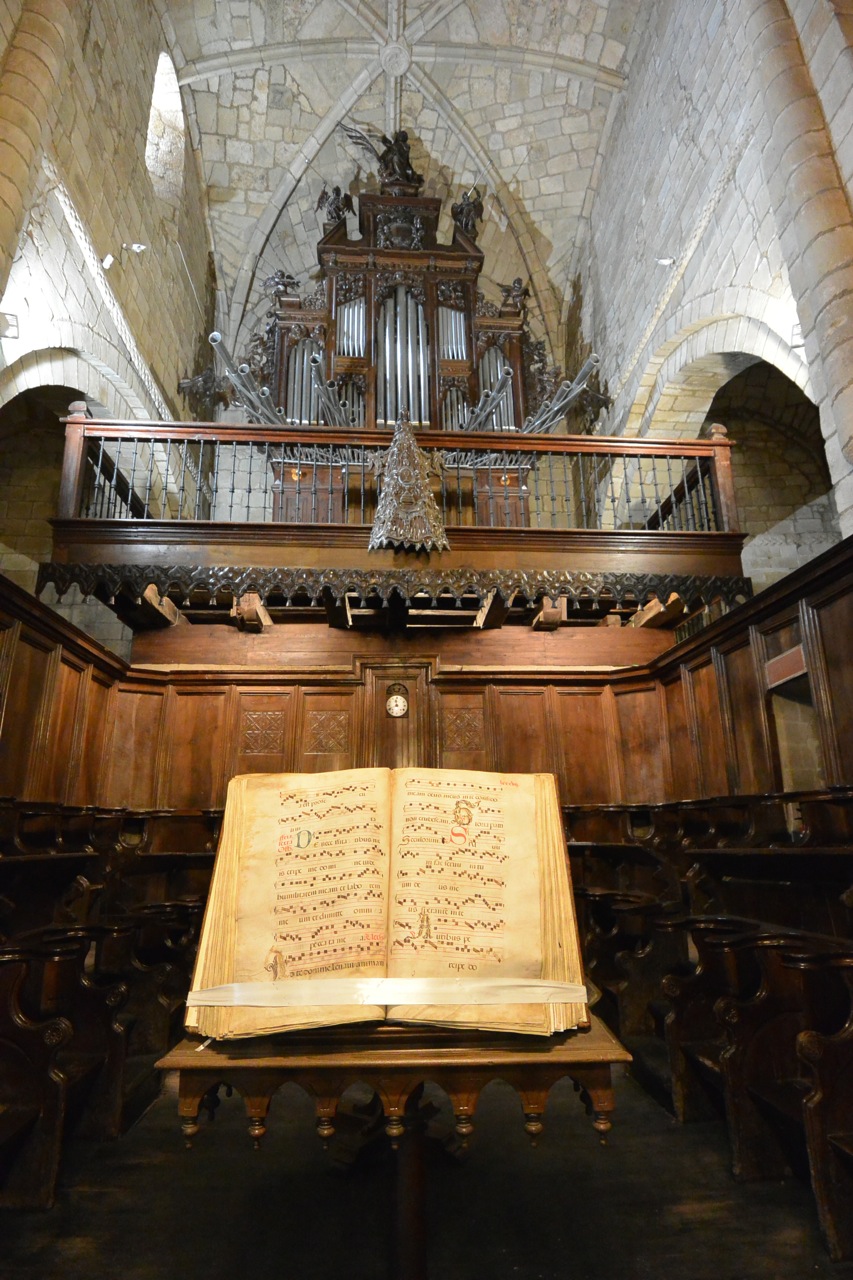
The music as part of the service is wonderful and very uplifting, much of it played on the pipe organ you see in the next photo.

Pipe organ at the Cathedral of Santiago de Compostela, Spain.

Pipe organ at the Cathedral of Santiago de Compostela, Spain.

While the Cathedral at Santiago de Compostela may not be the largest, it is among the most important and worth your time to visit in this part of Spain. As always, be respectful while touring such places of worship.

Santa María del Naranco, Oviedo, Spain

For many years, I looked at photos of Santa María del Naranco, the church that stands on a hill a few miles outside of Oviedo, Spain. It’s not the grandest of buildings but it does represent a significant example of pre-Romanesque architecture.

Santa María del Naranco, Oviedo, Spain.

Santa María del Naranco, Oviedo, Spain.

It was build in the 800’s, and to have remained standing all these years is testament to the ingenuity of it’s masons. The detailed carving is quite impressive as well:

Detail of entrance to Santa María del Naranco, Oviedo, Spain.

Detail of entrance to Santa María del Naranco, Oviedo, Spain.

When you visit this site, wear sturdy shoes and bring a bottle of water. The climb from the parking lot to the church is a steep grade over a paved path. The view from this hill can be astounding on a clear day as you see from the panoramic photo below. Click on it for full size:

View from Santa María del Naranco, Oviedo, Spain.

View from Santa María del Naranco, Oviedo, Spain.

I was glad to have finally seen this place in person. It was a bit of exercise, but worth the effort. While traveling, sometimes its not the most popular or largest of site, but rather the smaller more poignant ones that make the biggest impression.

Collegiate Church of Santillana del Mar, Spain

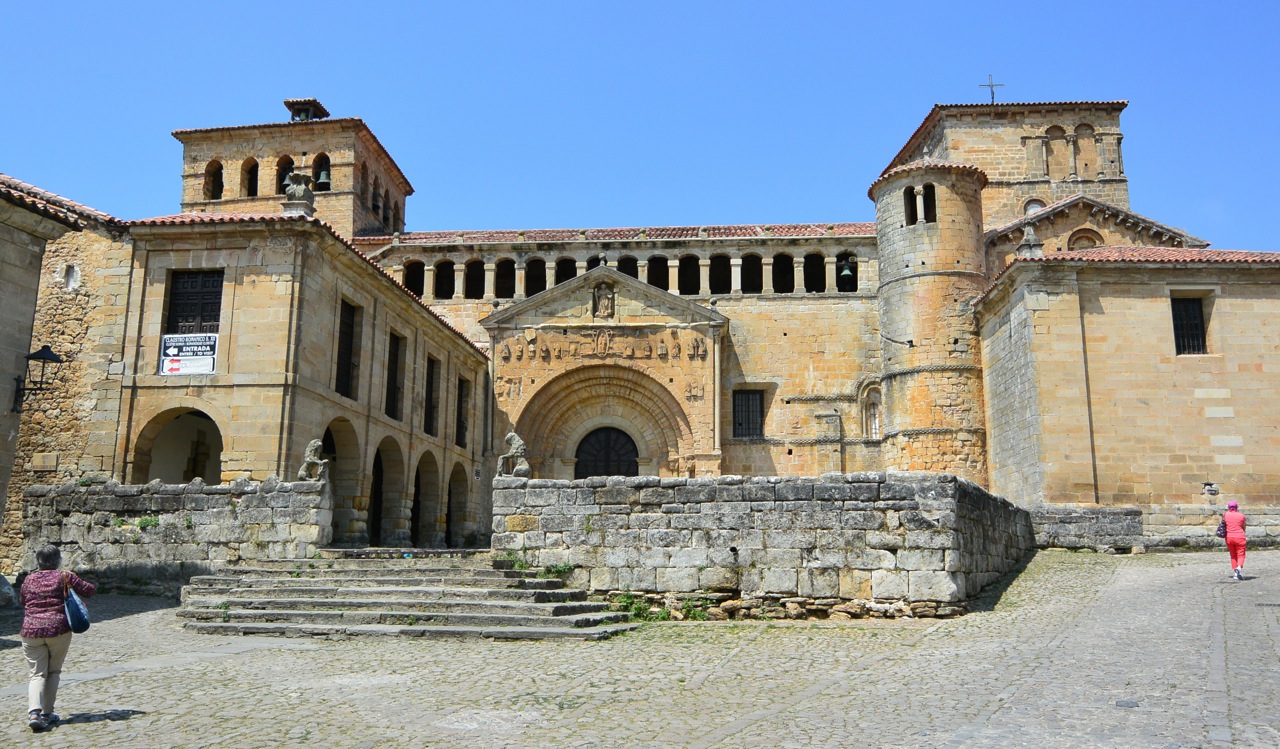
The Collegiate Church of Santillana del Mar was built by the Augustinians who took over a former Benedictine monastery. In this first photo, you see the lines of the main structure built in the Romanesque style:

Collegiate Church of Santillana del Mar, Spain.

Collegiate Church of Santillana del Mar, Spain.

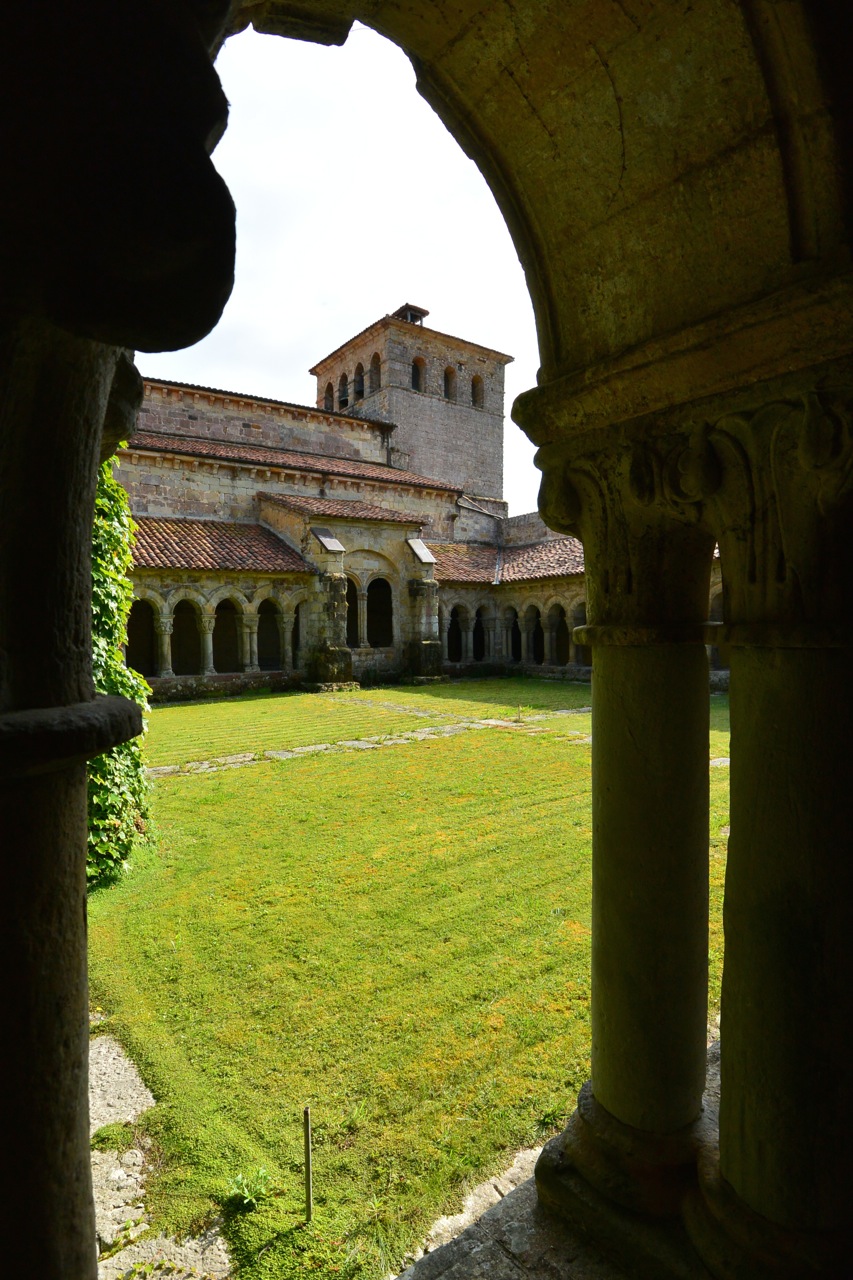
Surely in it’s time, it was an imposing building and it still dominates the town today. Going inside the grounds, you’ll find a very pleasant cloister.

View from inside the cloister at the Collegiate Church of Santillana del Mar, Spain.

View from inside the cloister at the Collegiate Church of Santillana del Mar, Spain.

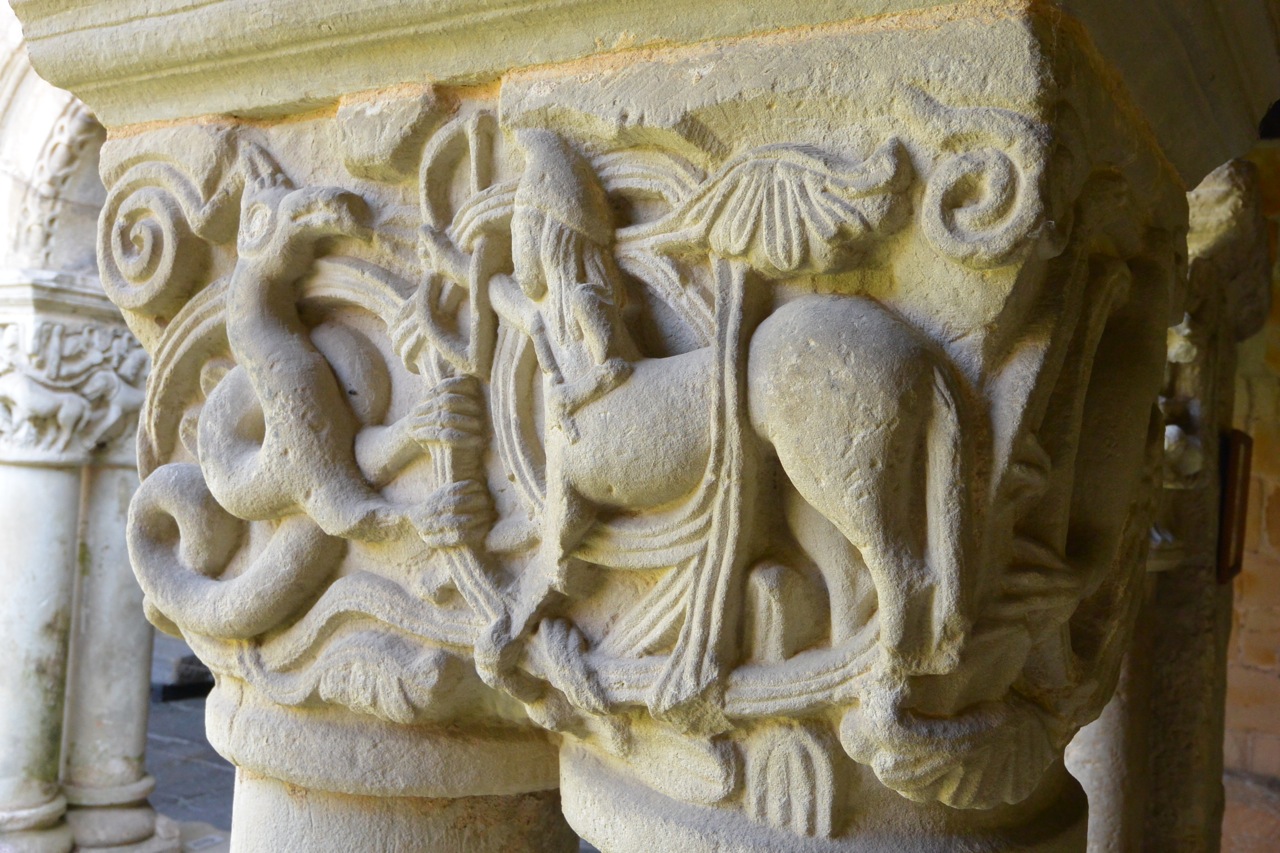
The columns in this cloister are carved with various religious symbols.

Column detail at Collegiate Church of Santillana del Mar, Spain.

Column detail at Collegiate Church of Santillana del Mar, Spain.

And many are covered with vines.

Another view in the cloister of the Collegiate Church of Santillana del Mar, Spain.

Another view in the cloister of the Collegiate Church of Santillana del Mar, Spain.

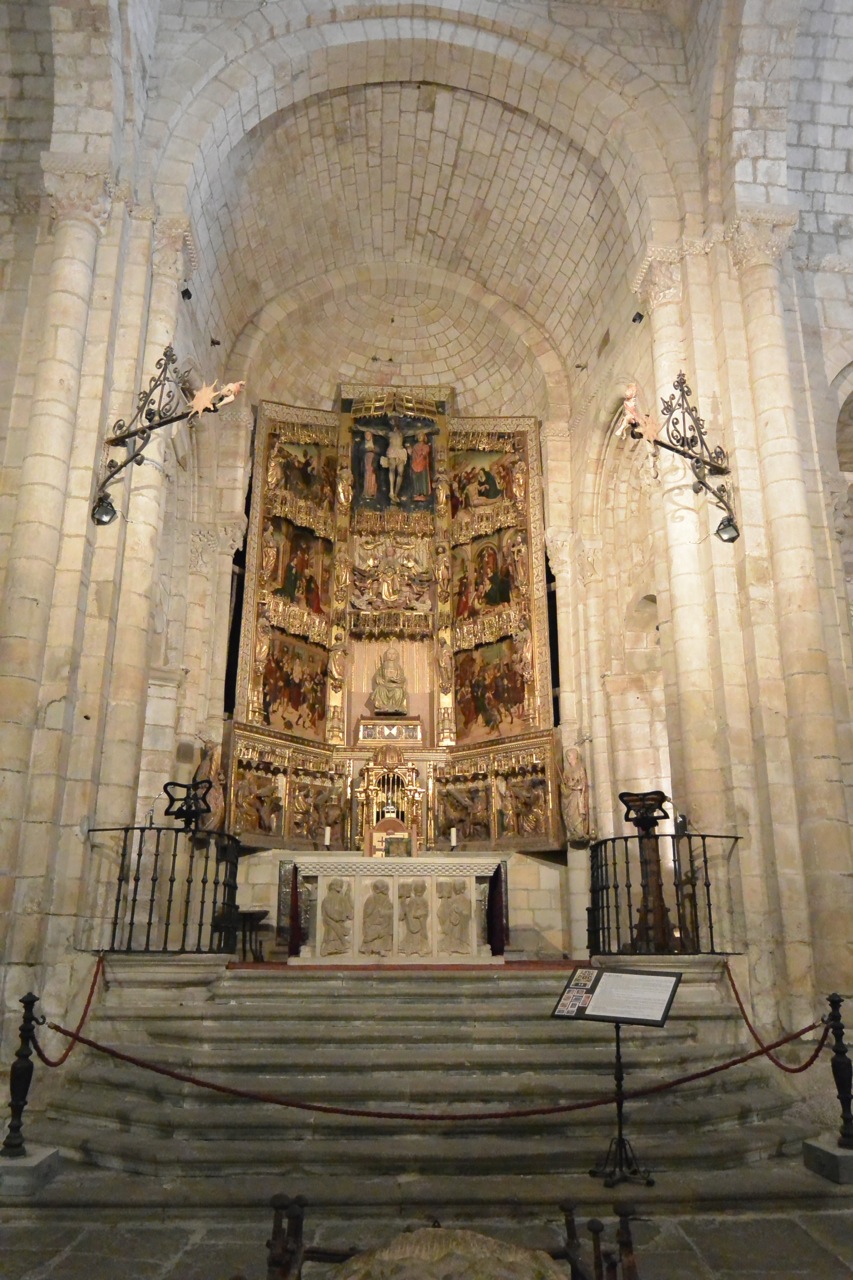
Going into the church itself you find an impressive altar piece from the 15th century depicting the martyrdom of Saint Juliana.

15th Century altar piece at the Collegiate Church of Santillana del Mar, Spain.

15th Century altar piece at the Collegiate Church of Santillana del Mar, Spain.

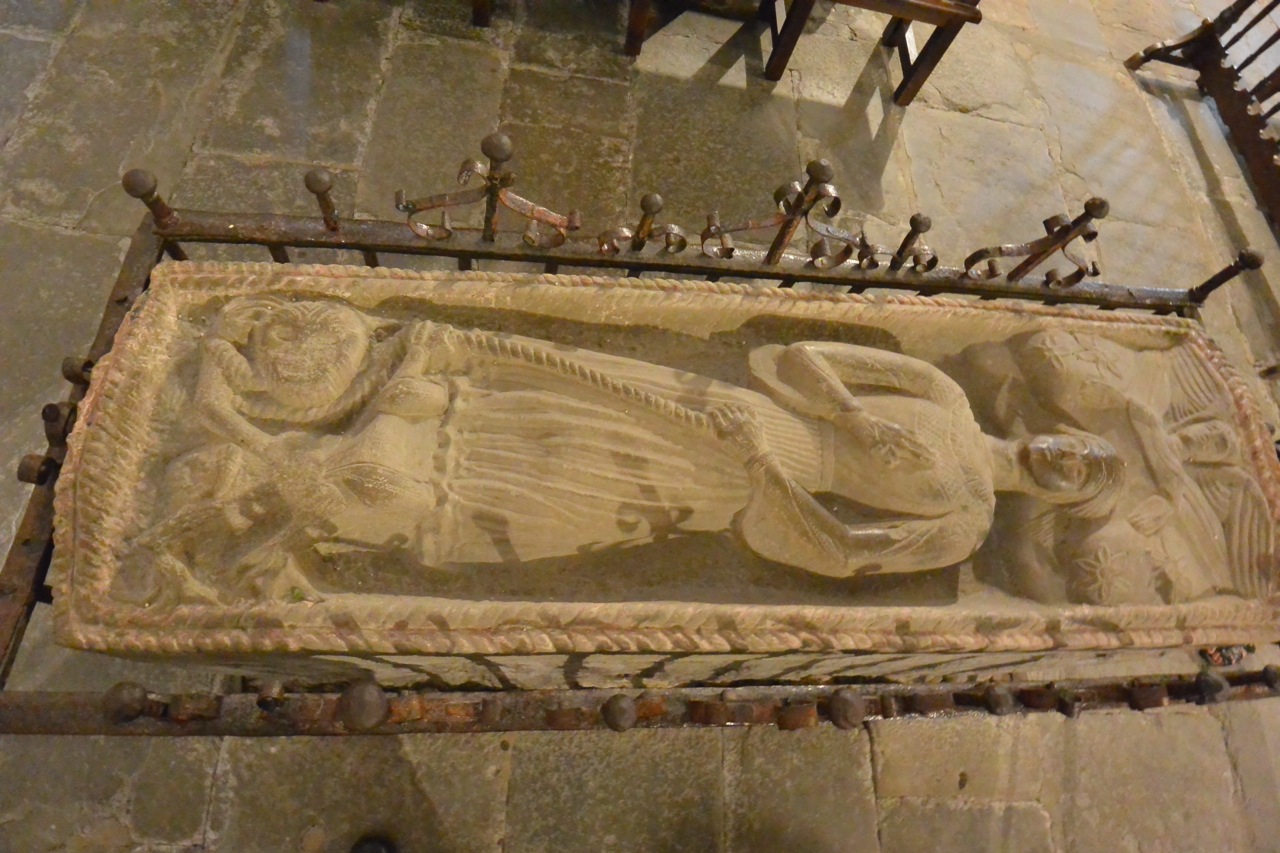
As well as this stone tomb for the saint’s remains:

Saint Juliana at the Collegiate Church of Santillana del Mar, Spain.

Saint Juliana at the Collegiate Church of Santillana del Mar, Spain.

Not to mention a powerful set of pipes for the organ:

Organ pipes at the Collegiate Church of Santillana del Mar, Spain.

Organ pipes at the Collegiate Church of Santillana del Mar, Spain.

The walk through this church is a step back in time. Within its cool environs you’ll find a sense of dignity and piety that may be lacking at times in larger, busier cathedrals. As always, enter with respect and take your time to absorb the many details that fill this holy place.


Church of the Vera Cruz (again)

This is the second time I’ve visited the Church of the Vera Cruz in Segovia, Spain, and I was frustrated to find it closed… again!

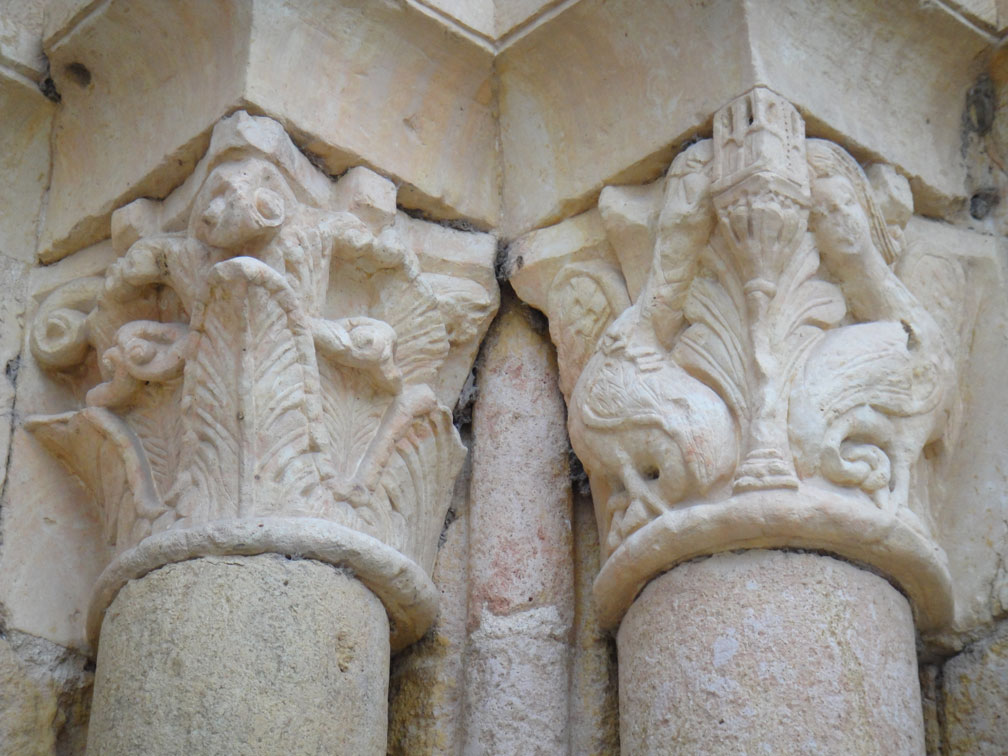
In fact, I missed the opening hours by mere minutes. This is a Templar church and therefore mandatory on the itinerary. Nonetheless, I checked out some of the exterior detail such as theses capitals:

My understanding is that the interior is quite basic. Still, it’s worth a visit considering it’s place in history. Seeing sights like this goes a long way to contextualizing historical references and it is well worth the time seeking out the smaller, out of the way places as they were on the route followed by people in days gone by. It is a method of seeing what they saw, doing what they did. Enjoy the journey.

Published in: on September 21, 2010 at 5:28 pm  Leave a Comment  
Tags: , , , , ,