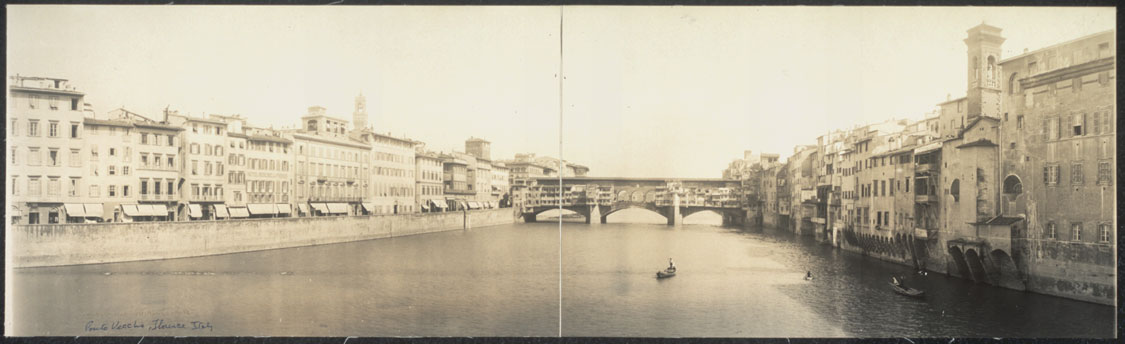
Ucles, Spain

As much as the large cities of Spain are full of wonderful things to see and do, so are the small towns. One town in particular that I found interesting was Ucles. There’s a monastery there, built on the foundations of an old castle. Here’s a look up at it from a small cemetery down in the town.

There are a couple of boutique hotels in this town that offer very comfortable accommodations. You’ll also find a few small restaurants that will serve local cuisine. Staying in a town like this gives the opportunity to sit with the residents in their tabernas and to hear about their lives in an unfiltered way. This is a favorite activity of mine and leads to great material for my novels.

Published in: on September 28, 2008 at 1:39 pm  Leave a Comment  
Tags: , , , , , , ,

Layers of History

I’ve been doing research for various writing projects and couldn’t help but mine through those old photographs again. I found this one of Rome, taken in the early 20th Century. On the far left is the old forum.

There has to be 2000 or more years of history in this image. There are churches, a triumphal arch, remnants of palaces and newer buildings. Amazing. One of the great things about writing stories is doing the research. I always end up learning things I never expected. That’s how I happened upon this photograph. While looking for something else, it popped up. Of course, it’s also why it takes so long to do the research. Inevitably, you get sidetracked into areas where you linger for the sheer pleasure of knowing the details. Anyway… back to work.

Published in: on September 23, 2008 at 5:40 pm  Leave a Comment  
Tags: , , , , , , , , , ,

Richard Russo, The Bridge of Sighs

Having enjoyed Russo’s novel, Empire Falls, I decided to read deeper into his list by picking up The Bridge of Sighs. The book is one long train running. Like a train, it takes a while to get up to speed. Also like a train, it has many compartments. It starts with a first-person narrative as one of the main characters (a man who has had the nickname “Lucy” since first grade) writes a memoir mixed with a town history. The story then skips to his boyhood friend (“Noonan”), who left town at the end of high school and has never returned. This sets up the central framework of the book.

Through the course of the narrative, the reader meets most everyone in the small town of Thomastown, New York. Lucy and his relationships reveal the good, the bad, and the ugly of life in a one-company town. His naive father, his prescient mother, his rascally uncle, are the early people in his life. However, as he grows up he exists in a decaying place. Ultimately, he and Noonan part a couple of times, the second time for good when Noonan has to escape the law.

Like Empire Falls, this Russo book pries into the deepest recesses of people’s lives. He changes perspective in order to reveal different points of view of the same incident. This is where the story can be very powerful. However, at times the repetition grows tedious. Either way, Russo will take you on a long ride that can be insightful and enjoyable.
Published in: on September 18, 2008 at 12:42 pm  Comments (1)  
Tags: , , , , , ,

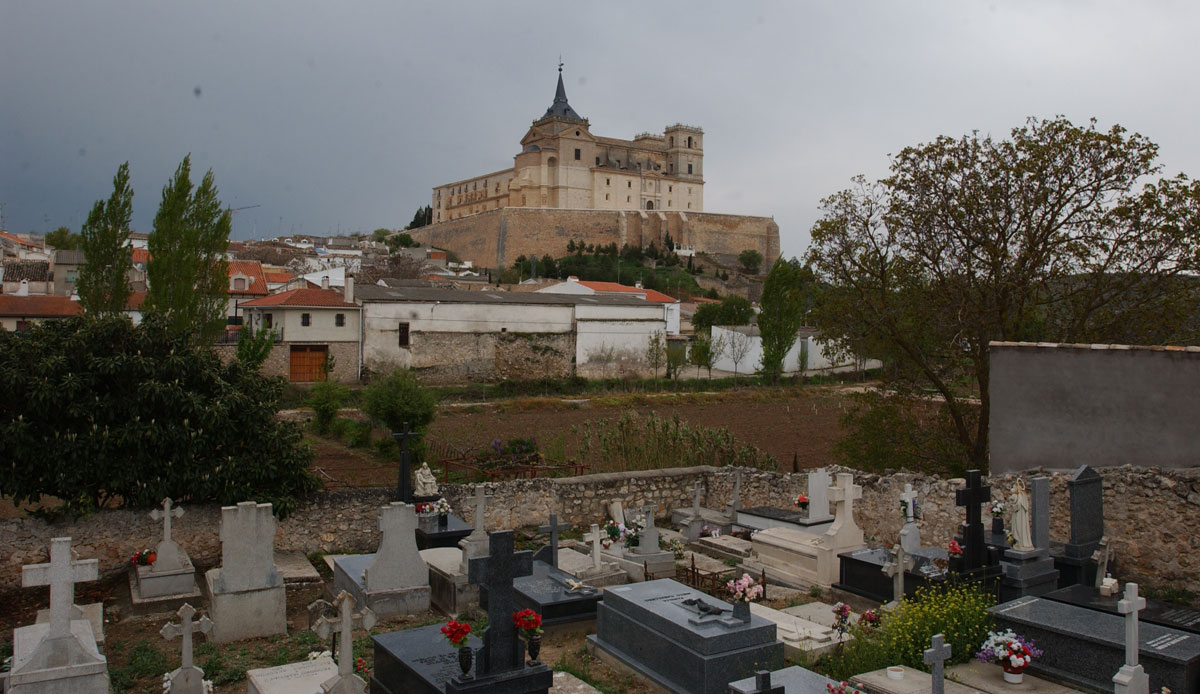
Ponte Vecchio, Florence, Italy

The Ponte Vecchio is probably one of the most photographed sights in Florence. Below is a panoramic shot taken before World War II.

The story goes that the bridge was first built by the Romans, which is probably true. The Romans hardly saw a river they didn’t bridge at least half a dozen times just because they could. Ponte Vecchio was noted in records gleaned from the year 996. Then it was destroyed in 1117 by a flood and again in 1333. So, it’s been a tough go over the centuries for this particular piece of real estate. Fortunately the bridge survived World War II, although buildings on both sides were destroyed to prevent the Allies crossing it easily. Luckily for us, we have photographic records like this to see what was.

I suppose the lesson once again, (and I mentioned this in an earlier post), is that you should print some of your photographs. If for no other reason, they will provide a record of the past for those people who inherit the future. I would recommend writing a few notes on the back of those photographs. A written document produced by contemporary sources is a rare and valuable find for historians. Your scribbling may become the lost link in a chain of events that today seem insignificant. Also, it may provide the context for a bigger issue, the details of which had been lost. Don’t spare the ink!

Published in: on September 15, 2008 at 2:33 pm  Leave a Comment  
Tags: , , , , , , , , , ,