Ponte Vecchio, Florence, Italy

The Ponte Vecchio is probably one of the most photographed sights in Florence. Below is a panoramic shot taken before World War II.
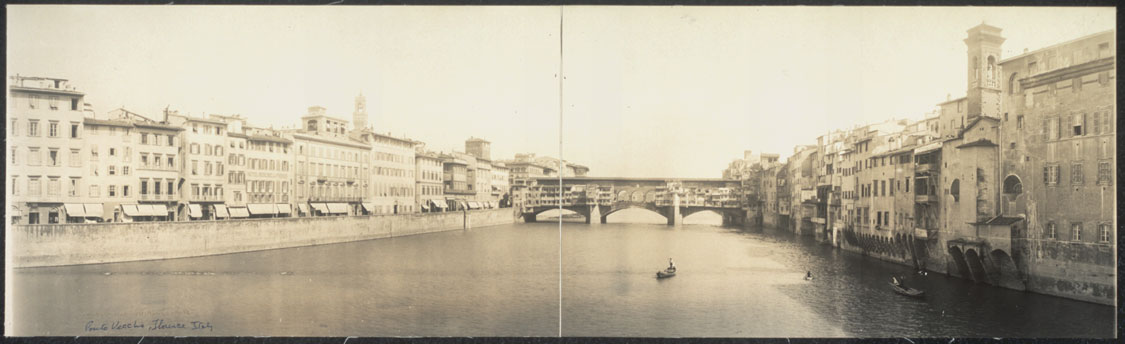
The story goes that the bridge was first built by the Romans, which is probably true. The Romans hardly saw a river they didn’t bridge at least half a dozen times just because they could. Ponte Vecchio was noted in records gleaned from the year 996. Then it was destroyed in 1117 by a flood and again in 1333. So, it’s been a tough go over the centuries for this particular piece of real estate. Fortunately the bridge survived World War II, although buildings on both sides were destroyed to prevent the Allies crossing it easily. Luckily for us, we have photographic records like this to see what was.

I suppose the lesson once again, (and I mentioned this in an earlier post), is that you should print some of your photographs. If for no other reason, they will provide a record of the past for those people who inherit the future. I would recommend writing a few notes on the back of those photographs. A written document produced by contemporary sources is a rare and valuable find for historians. Your scribbling may become the lost link in a chain of events that today seem insignificant. Also, it may provide the context for a bigger issue, the details of which had been lost. Don’t spare the ink!

Published in: on September 15, 2008 at 2:33 pm  Leave a Comment  
Tags: , , , , , , , , , ,

Strasburg, Pennsylvania, USA

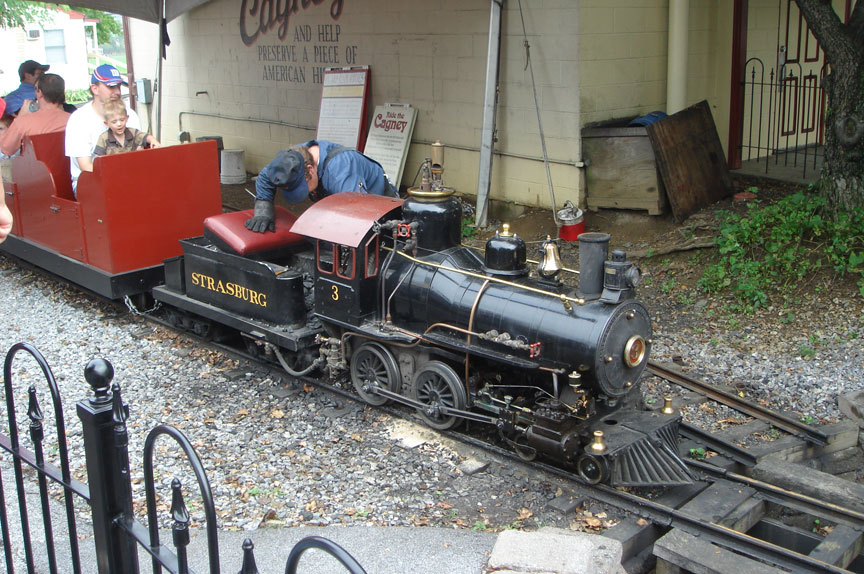
Strasburg, Pennsylvania is not far from all the outlet shopping near Lancaster. The town is well known for its railroad which thrills children and adults alike. On the day I took these shots, Thomas the Train was on site, much to my disappointment. However, kids love that character. I prefer the regular steam engines which make for great photography. The tower at the left was moved to this location. The view from up there is fantastic. Although only two stories tall, the surrounding countryside opens up because it is the gentle, rolling farmland of the Amish. It also gives you the perspective of the yard master in days gone by.

Across the street is the Pennsylvania Railroad Museum, which hosts literally dozens of steam engines and cars of all description. At the height of its operations, the Pennsylvania Railroad was known as “the standard railroad of the world.” It controlled much of the passenger traffic between, Philadelphia, New York, DC, and Chicago, not to mention the freight business. Using the type of engines shown below, the “Pennsy” connected the eastern half of the country with the west.

It’s hard to imagine the smoke and soot of steam locomotives. I’ve had the pleasure of seeing some of them in action here at Strasburg as well as in New Hope, PA. They may be majestic, but they’re also dirty. Nonetheless, it’s important to see such machines in action. They are a form of living history that helps us keep things in perspective. Of course, there’s fun to be had in Strasburg, such as this little steam locomotive.

This post begins a new category here at The Bent Page. Years ago I used to take many photographs of trains and industrial sights. Some of them were published in the magazines that focus on those subjects. So TRAINS becomes a category here starting today.

Published in: on September 14, 2008 at 2:51 pm  Leave a Comment  
Tags: , , , , , , , , , , ,

Ballesteros de Calatrava, Spain

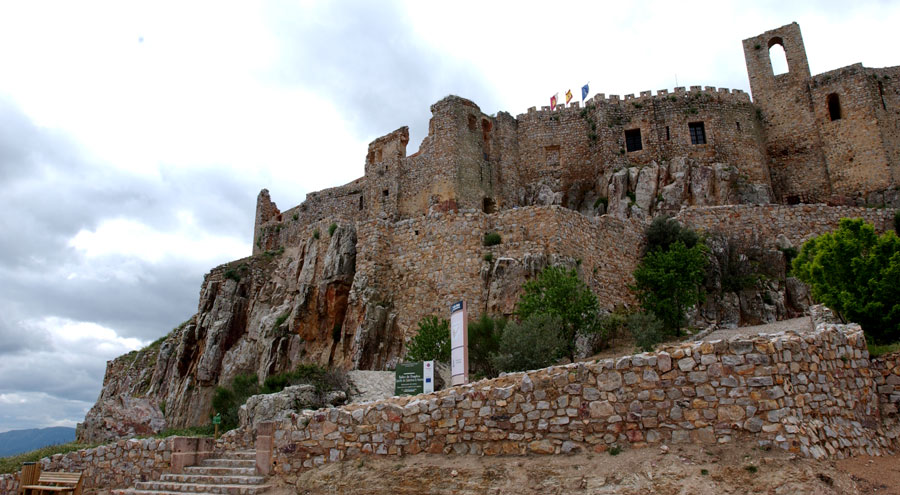
Driving through rural Spain can not be overestimated. I’ve been fortunate to make several trips through the countryside by car. Each of them took different paths, revealing parts of the country that are definitely not on the tourist agenda. One such place was a small town named Ballesteros de Calatrava. There is a castle there, perched high on a small mountain. Here’s a look.

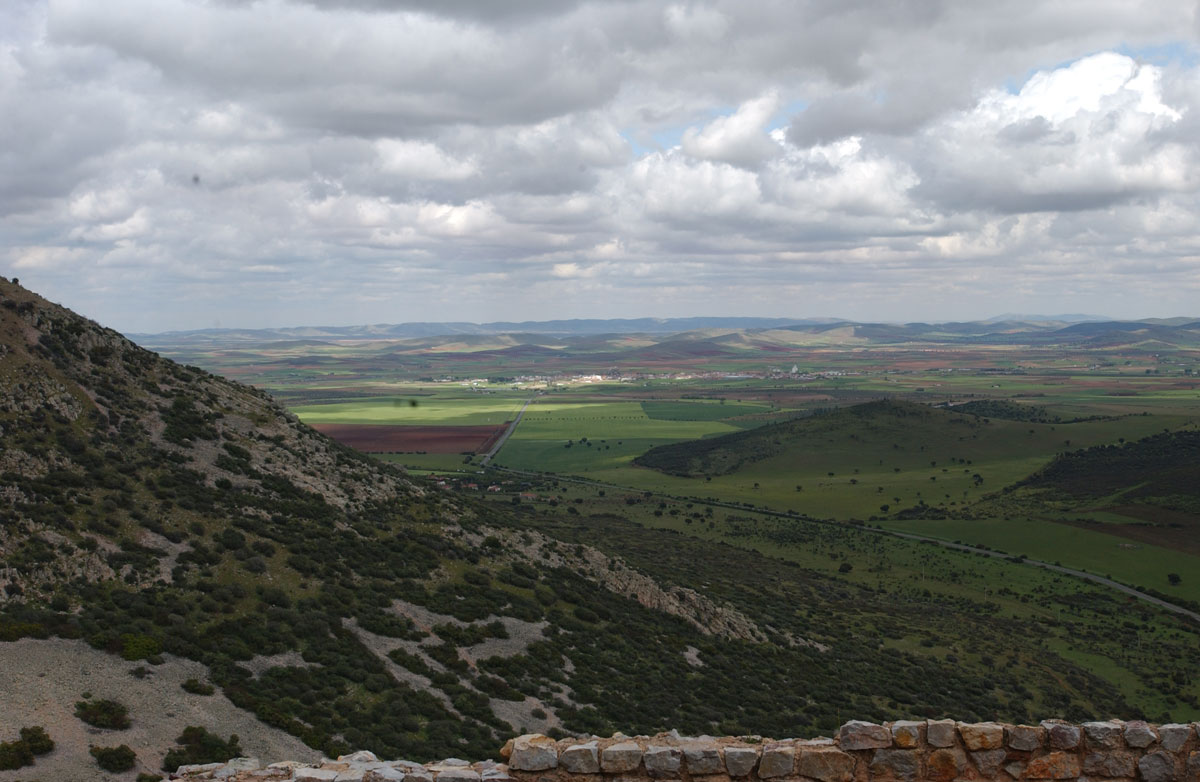
This place is straight from the Templer Knight playbook on how to let people know you’re a serious feudal lord. It’s mostly ruins now, but well worth the stop. The drive up the hill takes about 10 minutes because the road is rough and narrow. When you get to the top, however, this is your view:

You can see why they built the castle up there. The commanding view of the surrounding valleys left no chance for any army passing by unnoticed. Of course, then the Templers would be on the march, heading out to break some skulls.

My wife and I stayed at a fantastic hotel in Ballesteros called the Palacio de la Serna. I highly recommend this hotel and its restaurant. Every room is different, every meal excellent. It is owned by an artist who uses some of the outbuildings as his workshops. Thus, you have the benefit of seeing his work, both finished and in progress. It may not be on the itinerary for your first or second visit to Spain. Nonetheless find the time to get there. You won’t be disappointed.

Published in: on September 13, 2008 at 2:08 pm  Comments (1)  
Tags: , , , , , , , , , ,

Valley Forge, Pennsylvania, USA

Valley Forge, Pennsylvania is hallowed ground. It was here that George Washington and his ragtag army toughed out a bitter winter. He rallied those troops despite the conditions and challenges that lay ahead. Today, there is a park where the troops formed their camp. A bicycle trail traces a path around the perimeter.

This building serves as offices for the nearby church. I’ve always liked it. The stonework is exceptional, the leaded glass windows stately. It’s located a bit close to the road. Still, if I could move it to another place, it would be a noble home. Behind it is a cemetery encased in mature, leafy trees. More hallowed ground.

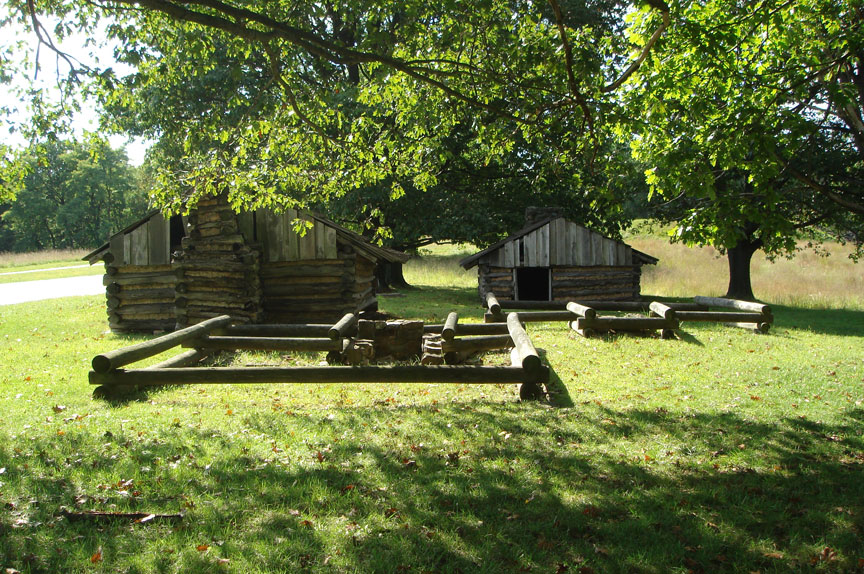
Throughout the park, you’ll find replicas of the huts the Continental Army used as shelter. (You’ll also find plenty of deer. Be careful when driving through the area. The deer have a habit of jumping out at the last minute.) Here is a photo of the huts.

On this day, 7 years after the 9/11 attacks in New York, we should all be thankful for those who’ve made recent sacrifices as well as those who did more than 200 years ago in order to begin the United States of America. They risked their lives against the world’s superpower in 1776, suffered through winters like the one at Valley Forge, and ultimately prevailed. Are we willing to give it our all the way they did?

Published in: on September 11, 2008 at 10:27 am  Leave a Comment  
Tags: , , , , , , , ,