Desert Island Water

Aruba’s drinking water is produced by a desalinization plant co-located with the electricity plant in an area known as Balashi. Since Aruba is a desert island, this facility became a necessity once the population grew beyond a certain point. You’ll still see old Cunucu houses with a rooftop collection system that gathered rain water and stored it in a cistern. There are also a few brackish wells left, but used only for small scale irrigation. Thus, water is a precious resource in this environment, and metered and invoiced accordingly. The drinking water in Aruba is completely pure and delicious thanks to the way it is produced. There is absolutely no need to buy bottled drinking water here. That which comes from the tap is fine.

Here’s a photo of a domestic water meter, the one at my home.
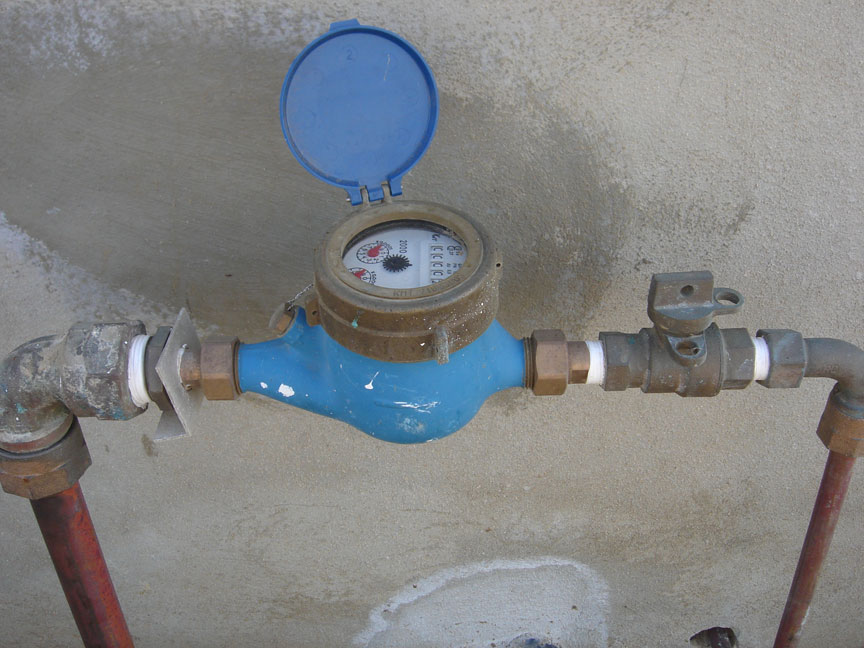
Exciting stuff, eh? It can be if you’re not careful. Notice the valve located on the right side. It features a hasp-like function so that you can place a lock on it in the “closed” position. Whenever I leave the island, I lock this meter in the closed position. It’s not that I’m worried about someone stealing the water. It prevents an unexpected leak from spinning the meter for days on end until my pal checks the house or I return. This happened to another friend of mine and he was stuck with a water bill in excess of US$3,000.

So, a word to the wise. If you own a home in Aruba, or are considering it, don’t forget small but important things like this. Inspect the plumbing systems from the meter all the way to the drains and septic. It’s not thrilling stuff like the wind surfing, bar hopping, and shopping, but it will put a damper on your good times if you’re not careful.

Okay, in the next post we’ll take a look at the bathroom I rebuilt, which is a little more interesting than the old water meter.

Published in: on July 26, 2008 at 11:19 am  Leave a Comment  
Tags: , , , , , ,

Cunucu Houses, Part 1

My house in Aruba is located in the town of Savaneta, which I mentioned in some other posts. The house itself is rather nondescript. (I might also mention that it is a work in progress with regards to remodeling it.) However, as this is one of the oldest towns on the island there are a number of interesting homes around.

This example is one that sits directly at the edge of the sea. Large boulders were incorporated into the wall structure giving texture to the exterior.

Gives it a bit of a different look from the smooth walls seen in most buildings. Then there is this one, which looks to have been expanded at some point.

Sometimes you’ll find the kitchen built at one end, with a masonry oven jutting out. Given the strong sunshine found at Aruba’s latitude, any extra heat quickly builds inside so it is best to keep the oven as far from the living area as possible. This next one was built in 1922 and is well cared for.

Over the years I’ve seen more coats of paint go on this house than any other. The owners keep the flowers blooming, too, which adds another welcoming element. The owner of the house below chose a different color for his roof tiles and that makes it stand out.

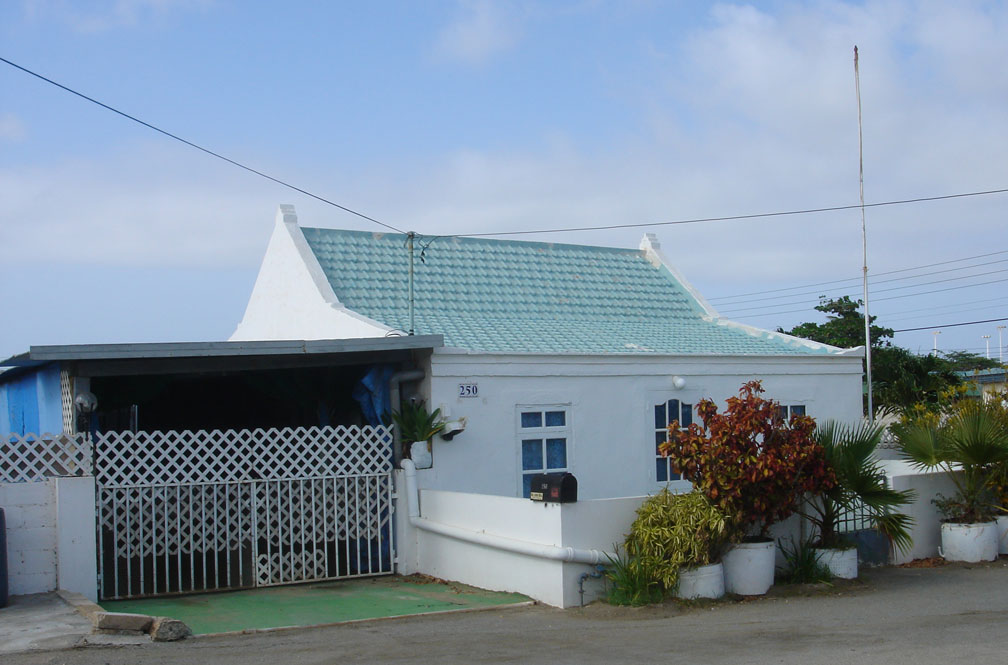
That blue/green just says, “cool,” doesn’t it? Notice the flowers all lined up in pots. Finally, take a look at a house that is going through a complete rehabilitation. This thing was taken down to the bare walls. Even the roof was removed. At this point, they have a long way to go.

Nonetheless, that roof is now in good shape, the windows have been properly framed out, and the front wall is looking solid. In another six months or so this place will be another gem and I’ll post an update. I hope to go inside for interior photos.

As this blog continues, I’ll be adding more photos of traditional and new homes that can be found in Aruba. Stay tuned.

Published in: on July 12, 2008 at 10:07 am  Leave a Comment  
Tags: , , , , , , , , ,