Segovia’s Roman Aqueduct

By most accounts, Segovia’s Roman aqueduct was built sometime around the 1st or 2nd Century AD. It stands more than 93 feet tall including the foundation, which reaches down about 16 feet. Building this device was no small task, but the Romans were no amateurs. I had the pleasure of visiting Segovia again this May, and made a short video showing the structure as it stretches above the plaza below. Take a look:

The structure has been in use since it was built with a few interruptions and repairs. The Moors destroyed a piece of it, but it was subsequently rebuilt under the reign of Ferdinand and Isabella. There are also accessory structures such as the “water house” that are part of the water system. These are less popular destinations but important to understand the thoroughness with which the Romans created their civilization.

I’ll have more photos and video about Segovia soon. It is an interesting city to visit and I hope to get there again.

Published in: on May 4, 2010 at 6:56 pm  Comments (1)  
Tags: , , , , , , , ,

Spanish Castles

Any visit to Spain has to include a castle or two. There are plenty to choose from. In fact, the challenge is which ones to visit given the limited amount of time during a particular tour. I found a website that has plenty of photos. Here’s the link:

http://www.castillosnet.org/spanishcastles/source/mapa_index.php

The homepage has a map that you can click on. You are then directed to that particular region’s castles. So many photos that you can spend hours sorting through them. One thing that always amazes me about these castles is simply how many stones had to be cut and stacked. Millions of tons! Incredible feats when you think about the lack of machinery. I’m looking forward to posting my own photos soon of a couple of these castles. You’ll find them right here on The Bent Page.

Published in: on February 19, 2010 at 9:51 pm  Leave a Comment  
Tags: , , , , , , ,

Italica, Spain

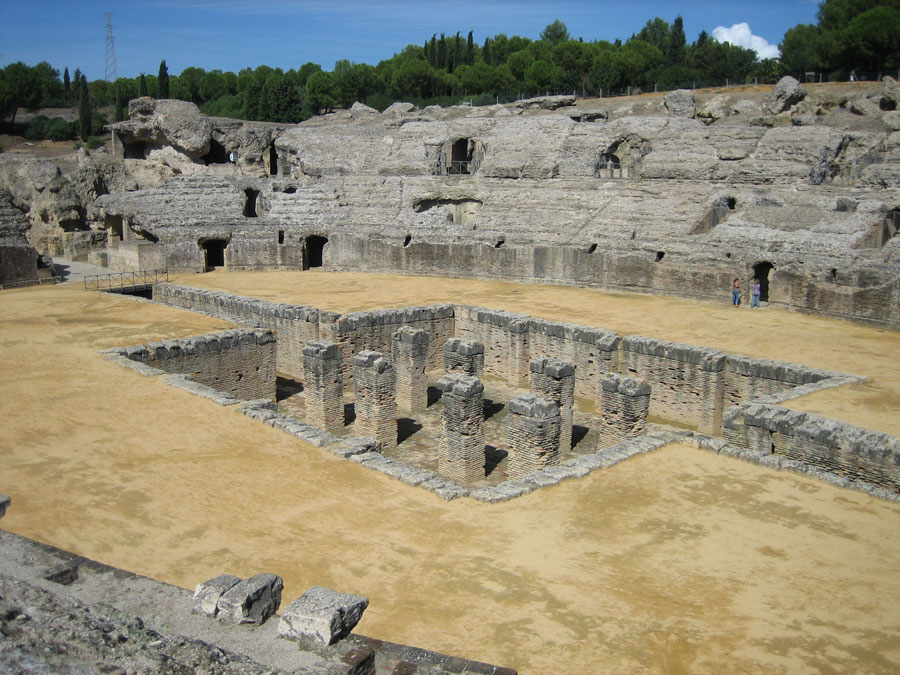
Not far from Sevilla, Spain, are the ruins of the Roman city Italica. The site remains under excavation as there is plenty more to discover. It is an amazing place to visit, especially when you consider that this place was a long journey from Rome during the days of the Empire. In this first photo, you’ll see a piece of the amphitheater.

One thing I enjoyed about this site was the freedom to walk about the ruins. It is possible to get very close and thereby see the workmanship and wear of the structures. We walked along the main boulevard of the town, which like all things Roman was laid out in a grid. Villas were set back from this thoroughfare and divided into various neighborhoods. Here’s a view of some standing columns that were part of an important home featuring a central fountain.

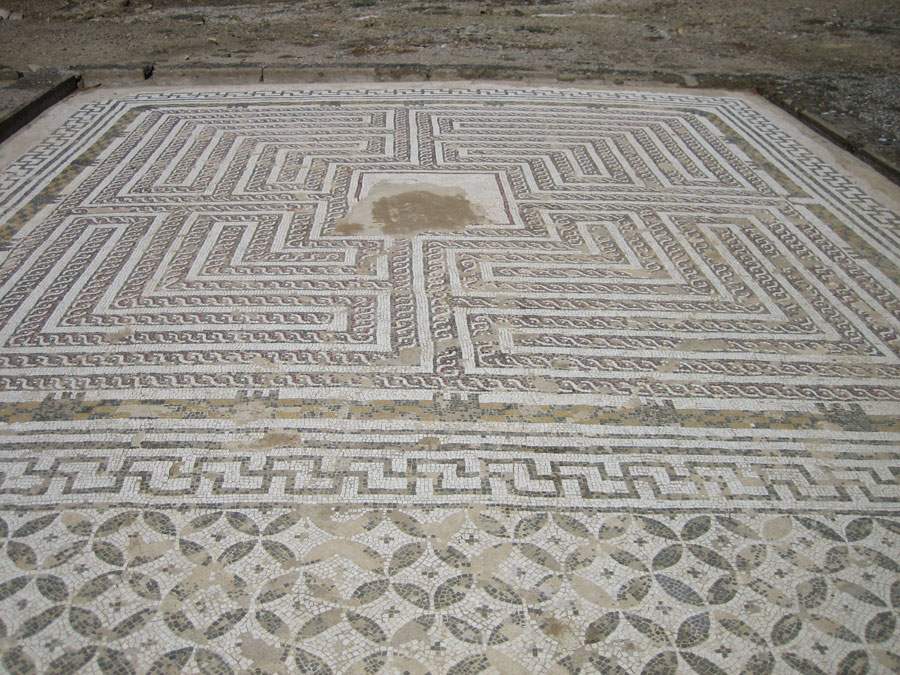
I should also mention that this town had a properly functioning water supply and sewer system, two things that would be lost to history for centuries before being restored. Of course, the residents decorated everything, including the floors, like this:

To think that mosaic was hidden beneath the dirt for a thousand years! Amazing. But it survived, as did many more like it. I highly recommend a visit to Italica. It’s only a short distance from Sevilla. There’s plenty of parking, clean bathroom facilities, and plenty to see and learn. It would also be a good idea to do some reading on the subject to get the most out of it. The map/brochure that is given to you as you enter is in multiple languages and very well done.

Finally, there is a little gas station a few hundred yards up the road from the entrance. There ICE-COLD Coca-Cola can be had. Refreshing, delicious, satisfying.

Published in: on August 3, 2008 at 1:34 pm  Leave a Comment  
Tags: , , , , , , , , , , ,