Richard Russo, The Bridge of Sighs

Having enjoyed Russo’s novel, Empire Falls, I decided to read deeper into his list by picking up The Bridge of Sighs. The book is one long train running. Like a train, it takes a while to get up to speed. Also like a train, it has many compartments. It starts with a first-person narrative as one of the main characters (a man who has had the nickname “Lucy” since first grade) writes a memoir mixed with a town history. The story then skips to his boyhood friend (“Noonan”), who left town at the end of high school and has never returned. This sets up the central framework of the book.

Through the course of the narrative, the reader meets most everyone in the small town of Thomastown, New York. Lucy and his relationships reveal the good, the bad, and the ugly of life in a one-company town. His naive father, his prescient mother, his rascally uncle, are the early people in his life. However, as he grows up he exists in a decaying place. Ultimately, he and Noonan part a couple of times, the second time for good when Noonan has to escape the law.

Like Empire Falls, this Russo book pries into the deepest recesses of people’s lives. He changes perspective in order to reveal different points of view of the same incident. This is where the story can be very powerful. However, at times the repetition grows tedious. Either way, Russo will take you on a long ride that can be insightful and enjoyable.

Published in: on September 18, 2008 at 12:42 pm  Comments (1)  
Tags: , , , , , ,

Spices in Granada

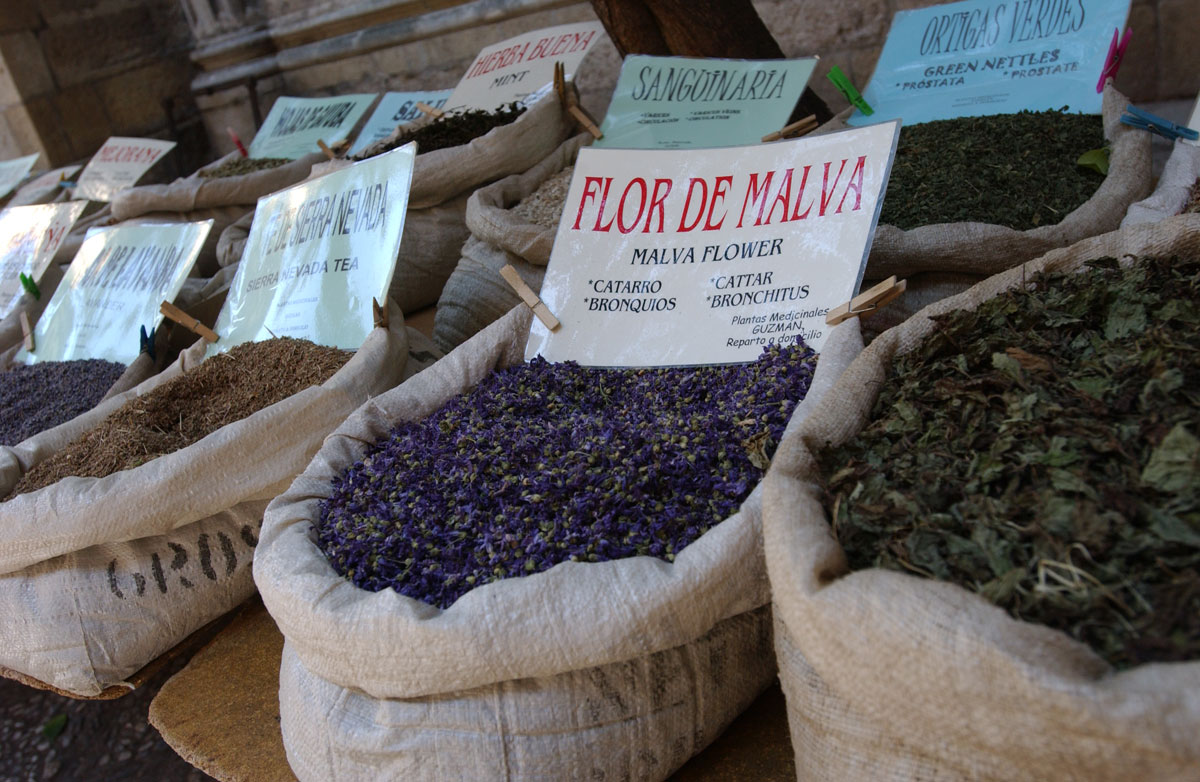
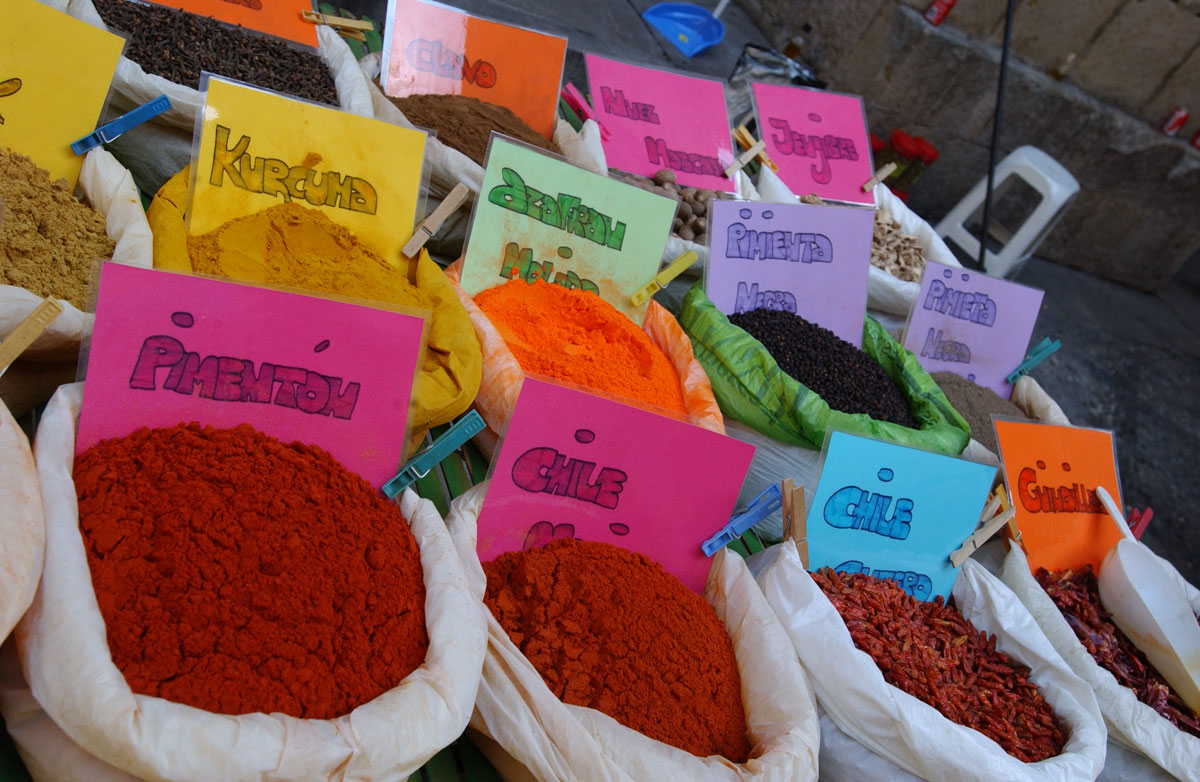
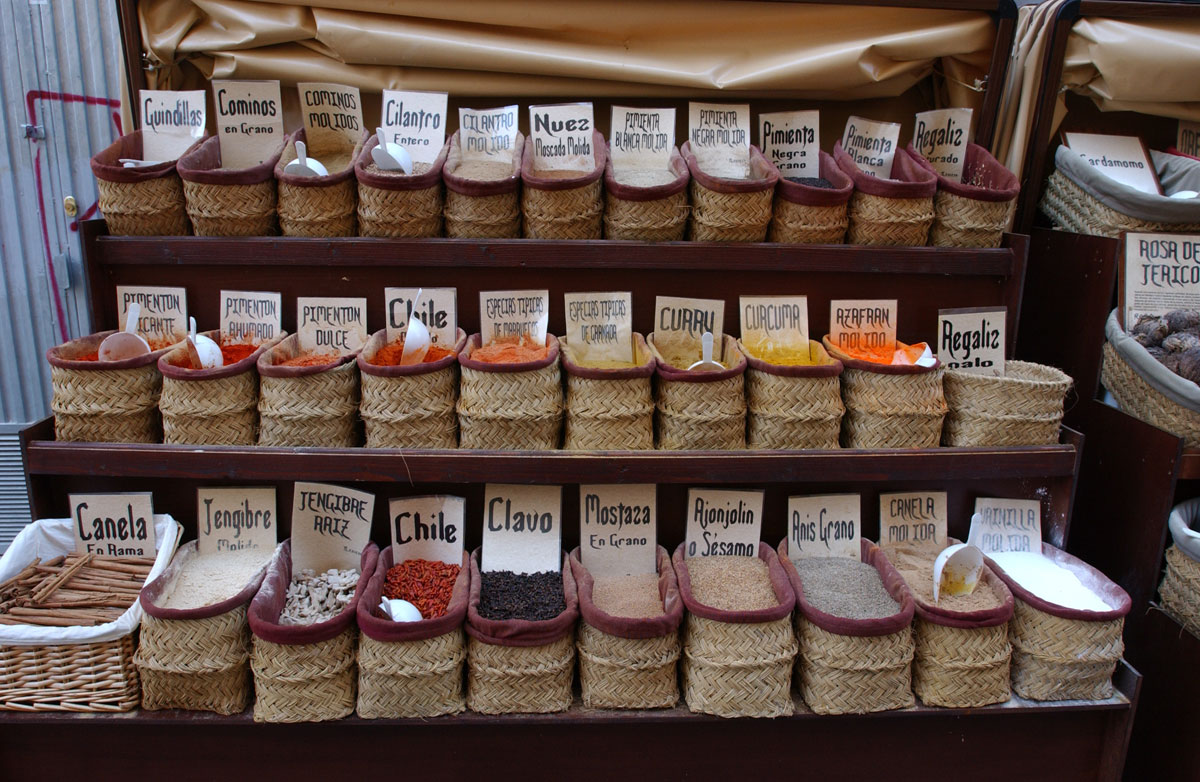
In Granada, Spain, you’ll find a wonderful spice market located alongside the cathedral. You’ll find an amazing assortment of spices, dried flowers, nuts, and tea. Here’s a general look.

I like those retractable awnings that they call pull over in the event the weather turns sour. Check out that selection, everything from cinnamon to saffron and more. Here’s a view of the teas and dried flowers.

Each of these is supposed to have medicinal properties. Of course the people selling them swear by the cures and I’m inclined to believe that there can be some benefit from such concoctions.

As for me, well, I’m into flavorful food. You’ll find some of the best food in the world in Granada, Spain. In fact, I found the tapas there to be better than the same offerings in Madrid. The selection was more diverse, more flavorful, and a better value. Then again, I never had a bad meal in all of Spain.

Published in: on September 17, 2008 at 12:35 pm  Comments (2)  
Tags: , , , , , , , ,

Giralda Tower, Sevilla, Spain

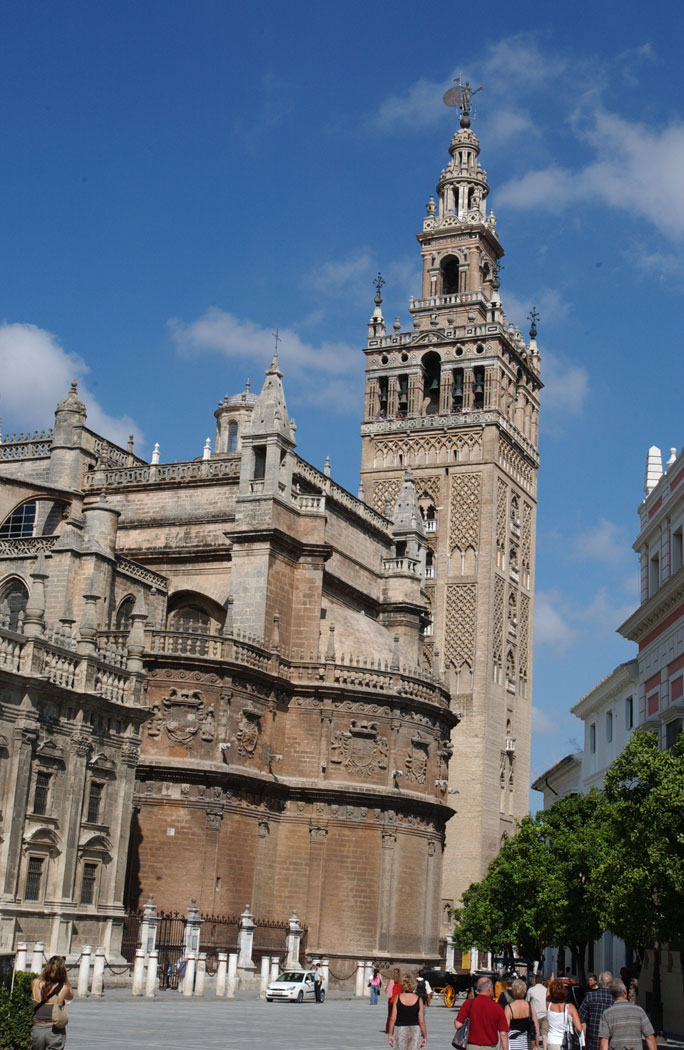
The Giralda Tower in Sevilla, Spain can not be missed. It’s a long hike up the ramps to the belfry and the view is worth the effort. The tower stands at the corner of the cathedral, another magnificent structure that has to be seen from within to be truly appreciated.

The tower itself has been changed many times over the intervening centuries. It started out as a minaret and evolved into the present structure thanks to plenty of meddling by various authorities. Nonetheless, it turned out quite beautiful. The bells up there hang in stately testament to the efforts of the Church.

The cathedral in Sevilla (photos of which are posted earlier in this blog) is worth several hours of your time. The details are amazing. Everything from the altar pieces to the stone carvings around the doors exhibit high baroque style as only could be done in Spain. The proceedings here during Semana Santa will take you back hundreds of years as well.

Published in: on September 16, 2008 at 3:51 pm  Leave a Comment  
Tags: , , , , , ,

Ponte Vecchio, Florence, Italy

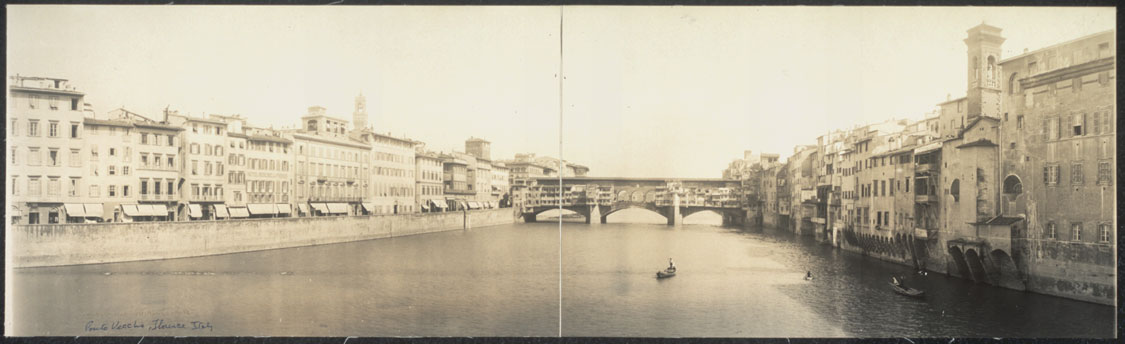
The Ponte Vecchio is probably one of the most photographed sights in Florence. Below is a panoramic shot taken before World War II.

The story goes that the bridge was first built by the Romans, which is probably true. The Romans hardly saw a river they didn’t bridge at least half a dozen times just because they could. Ponte Vecchio was noted in records gleaned from the year 996. Then it was destroyed in 1117 by a flood and again in 1333. So, it’s been a tough go over the centuries for this particular piece of real estate. Fortunately the bridge survived World War II, although buildings on both sides were destroyed to prevent the Allies crossing it easily. Luckily for us, we have photographic records like this to see what was.

I suppose the lesson once again, (and I mentioned this in an earlier post), is that you should print some of your photographs. If for no other reason, they will provide a record of the past for those people who inherit the future. I would recommend writing a few notes on the back of those photographs. A written document produced by contemporary sources is a rare and valuable find for historians. Your scribbling may become the lost link in a chain of events that today seem insignificant. Also, it may provide the context for a bigger issue, the details of which had been lost. Don’t spare the ink!

Published in: on September 15, 2008 at 2:33 pm  Leave a Comment  
Tags: , , , , , , , , , ,